

About the Workshop
Robot control has matured into a rich and diverse discipline, yet its intellectual coherence is increasingly strained by fragmentation across paradigms, application domains, and publication venues. Classical problems, like stability under interaction, modeling uncertainty, underactuation, and hybrid dynamics, are often treated as “solved” by practitioners, yet they persistently reappear in modern robotic systems operating in contact-rich, uncertain, and learning-enabled environments.
At the same time, new challenges and opportunities are emerging, ranging from unconventional robotic platforms (e.g., soft and biohybrid robots) to the growing role of machine learning and large-scale physical data. This workshop provides a focused forum to reassess which problems in robot control remain fundamentally open, how their formulation has evolved with advances in hardware, autonomy, and learning, and which challenges genuinely require new control-theoretic perspectives rather than incremental refinements. The emphasis is on conceptual clarity, modeling assumptions, and the limits of existing methods, rather than polished experimental performance.
Objectives
The objectives are threefold:
- To collectively articulate the most pressing open challenges for control in robotics, across systems, paradigms, and application domains.
- To clarify how recent technological and conceptual advances reshape both long-standing and emerging control problems.
- To strengthen intellectual cohesion across the control and robotics communities by fostering dialogue grounded in shared concepts and explicit problem formulation.
Target Audience
The workshop targets researchers in control and robotics whose work engages with the modeling, analysis, and control of complex robotic systems, particularly in settings involving physical interaction, uncertainty, hybrid behavior, and learning-enabled components. It is especially relevant for those interested in the foundations of robotics control, the limits of existing frameworks, and the formulation of new problems arising from emerging robotic platforms and technologies.
Invited Speakers
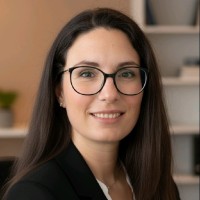
Laura Ferranti
Delft University of Technology, Netherlands
Title: Reliable Robot Autonomy under Real-World Uncertainty: Planning, control, and interaction in dynamic environments
Abstract: Robots operating outside controlled settings must make decisions in environments that are dynamic, interactive, and only partially predictable. Uncertainty may arise from the motion of other agents, complex navigation choices, limited onboard computation, traffic rules, faults, unreliable communication, adversarial disturbances, or strategic interaction. These different sources of uncertainty cannot all be handled by a single robustness margin or prediction model. In this talk, I will discuss how real-world uncertainty shapes the design of planning and control architectures for reliable robot autonomy. Through examples from ground, aerial, and maritime robots, I will illustrate how robots can reason about alternative futures, operate safely under limited information, remain effective when communication or components are unreliable, and interact with other decision-makers in dynamic environments. The goal is to highlight future opportunities for control architectures that combine complementary uncertainty representations while remaining safe, computationally feasible, and deployable on real robotic systems.
Bio: Laura Ferranti received her Ph.D. degree in systems and control from Delft University of Technology, The Netherlands, in 2017. She is currently an Associate Professor in the Department of Cognitive Robotics at Delft University of Technology, where she leads the Reliable Robot Control Lab. Her research focuses on planning and control for reliable robot autonomy, with an emphasis on optimization-based control, model predictive control, learning, and decision-making under uncertainty. Her work develops computationally efficient methods for robots operating in dynamic and interactive environments, with applications including autonomous vehicles, multi-robot systems, aerial vehicles, and autonomous vessels. Laura was awarded an NWO Veni Grant by the Netherlands Organization for Scientific Research in 2020. Her work has also been selected as a feature paper in Control Engineering Practice and received the Best Paper Award in Multi-Robot Systems at ICRA 2019.
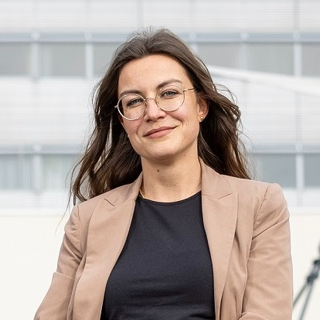
Chiara Gabellieri
University of Twente, Netherlands
Title: Modeling and Control Challenges in Aerial Robotics
Abstract: Recent advances in aerial robotics are posing new modeling and control challenges. Novel multirotor platforms are being developed to enhance dexterity and efficiency. Driven by the need for efficient aerial transportation, cooperative aerial manipulation using non-stopping flying vehicles has emerged as a promising paradigm. Furthermore, moving beyond straight-cable models, recent research explores aerial robotic manipulation through flexible cables. This talk will present some of the key modeling and control challenges arising from these research directions.
Bio: Chiara Gabellieri is an Assistant Professor in the Robotics and Mechatronics group of the EEMCS faculty at the University of Twente, in the Netherlands. Chiara received her Ph.D. in Information Engineering in 2021 from the University of Pisa. She was an intern at LAAS-CNRS in Toulouse, France, and a visiting Ph.D. student at DLR Institute of Robotics and Mechatronics in Germany. She is a co-applicant in the Dutch NWO-OTP project AVIATOR and local PI in the Marie Skłodowska-Curie Staff Exchange project NEUTRAWEED. She is an Associate Editor for IEEE RA-L and an Editor for the Unmanned Aviation Magazine. She has served as an Associate Editor for ICRA 2021-2026, IROS 2022-2026, and ICUAS 2026. Her research interests include aerial robotic cooperative manipulation and physical interaction.
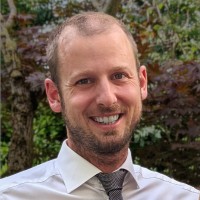
Manuel Keppler
German Aerospace Center (DLR), Germany
Title: Don’t Fight the Dynamics: Structure-Preserving Control of Compliant Robots
Abstract: Elastic and variable-stiffness actuators equip robots with safety, impact-robustness, accurate and stable force control, and the potential for energy storage, but at a control-theoretic cost: the resulting dynamics are underactuated and lack a passive input/output map. This talk presents a quasi-full actuation equivalence. A coordinate transformation on the motor variables, paired with a matching change of control inputs, maps the underactuated elastic-joint dynamics onto a fully actuated system with a passive input/output map. The transformation preserves the Lagrangian structure and establishes a one-to-one correspondence between original and transformed trajectories. This makes the rigid-robot control toolbox, and its Lyapunov- and passivity-based guarantees, directly applicable to a broad class of compliant robots. On this foundation, elastic structure–preserving (ESP) control follows a single design philosophy: do as little as possible, but as much as necessary. It minimizes dynamics shaping. The premise is that a closed loop mirroring the robot's intrinsic structure is inherently robust and rewards high performance with little control effort. I present experimental results that refute the supposed upper bound on passively renderable stiffness and the assumed softness–accuracy trade-off, and close with a discussion of the intrinsic performance limits of flexible structures, the price of flexibility, and the open hardware/control co-design questions they raise.
Bio: Manuel Keppler leads the Elastic Robot Control group at the German Aerospace Center (DLR), Institute of Robotics and Mechatronics, where he also directs the control development of DLR David, a humanoid robot equipped with variable-stiffness actuators. Since May 2026, he is additionally a part-time Assistant Professor (0.2 FTE) in the Department of Mechanical Engineering at Eindhoven University of Technology. He holds B.S. (2012) and M.S. (2014) degrees in mechanical engineering, both with highest distinction, from the Technical University of Vienna, as well as a B.S. in Molecular Biology from the University of Vienna (2009), and earned his Ph.D. in Computer Science (summa cum laude) from the Technical University of Munich in 2023. His research focuses on the compliant design and energy-based control of robots, enabling safe, robust, and dynamic interaction with people and their environment. His contributions have been recognized with several awards, including the Georges Giralt PhD Award (2024), the ICRA 2016 Best Automation Paper Award (Finalist), and an Honorable Mention for the IEEE Robotics and Automation Letters Best Paper Award (2022). He is also co-founder and co-chair of the IEEE RAS Technical Committee on Robot Control.
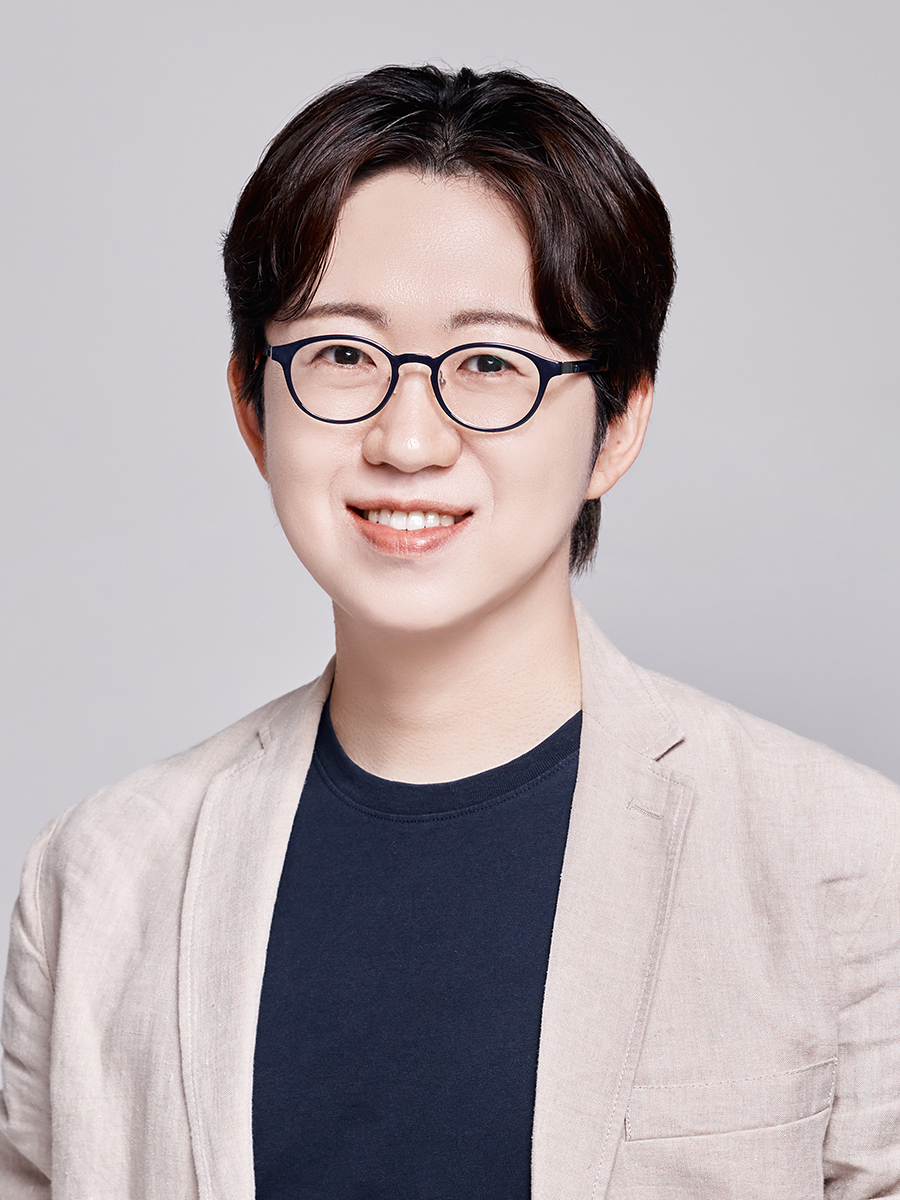
Kyoungchul Kong
KAIST, South Korea
Title: Beyond Physics Simulation: Open Challenges in Human Modeling for Wearable Robot Control
Abstract: Reinforcement learning has become a dominant paradigm in robot control, yet for wearable robots it exposes a fundamental asymmetry: we can simulate physics with high fidelity, but we cannot simulate people. Numerous efforts have attempted to bridge this gap, from musculoskeletal models and impedance-based human proxies to data-driven motion priors, each revealing a distinct set of failure modes that the community has not yet resolved. This talk examines these attempts and the open questions they leave behind. How much human fidelity does a simulation actually need for a policy to transfer to a real patient? Where should the boundary between hardware-level control and learning-based policy be drawn, and does a more precise physical interaction layer make the human easier to model? What are the minimal sufficient statistics for a human agent in wearable robot RL, and can a single policy generalize across pathologies and rehabilitation stages? These questions are treated not as engineering details but as foundational open problems, examined through the lens of wearable robot development and clinical deployment experience.
Bio: Kyoungchul Kong received the B.Eng. degree (summa cum laude) in mechanical engineering, the B.S. degree in physics, and the M.S. degree in mechanical engineering from Sogang University, Seoul, South Korea, in 2004 and 2006, respectively, and the Ph.D. degree in mechanical engineering from the University of California, Berkeley, Berkeley, CA, USA, in 2009. In 2011, he joined the Department of Mechanical Engineering, Sogang University, as an Assistant Professor. He is currently a Professor with the Department of Mechanical Engineering, Korea Advanced Institute of Science and Technology (KAIST). He is the Founder and the Chairperson (formerly CEO) of Angel Robotics, a spin-off company for productizing wearable robots. He received the Best Innovation Award from the President of Korea, in 2017, the Commendation by the Minister of Commerce, Industry and Energy, in 2017, the Gold Medals of Cybathlon 2020 and 2024, the KAISTian of the Year, in 2024, and many others.
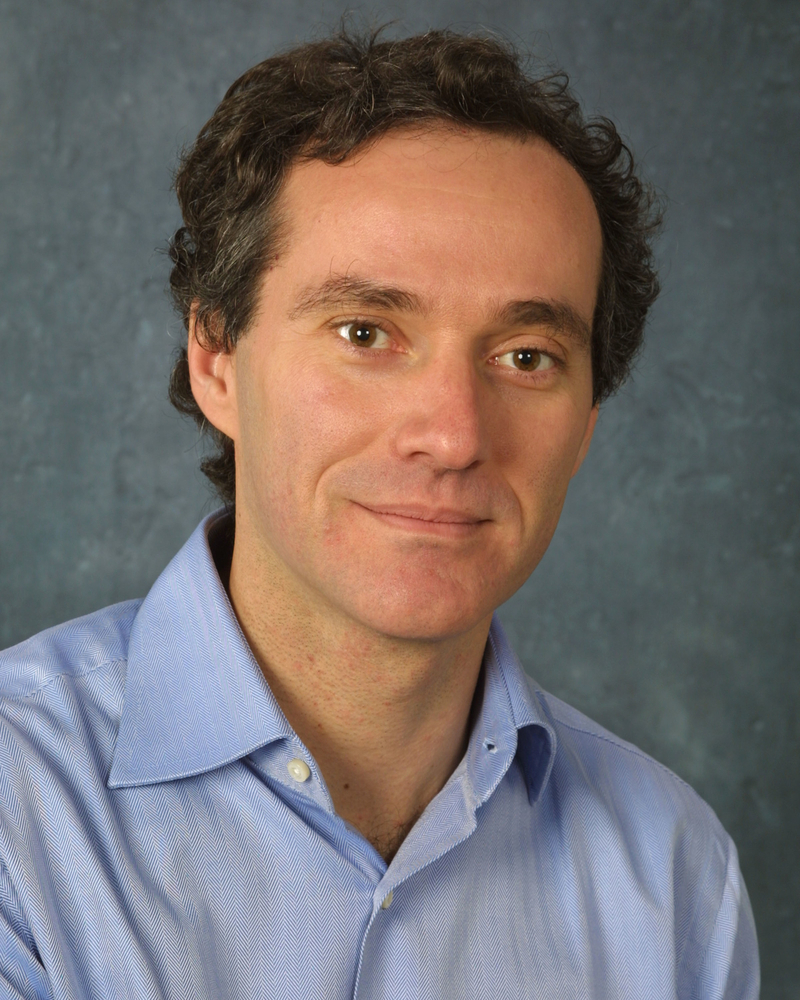
Alessandro Astolfi
KAUST, Saudi Arabia
Title: Control, Estimation, and Adaptation for Pneumatic Soft Continuum Robots
Abstract: Soft continuum robots are increasingly used in engineering applications, including compliant manufacturing, medical procedures, and disaster rescue. However, their highly uncertain and nonlinear material and structural properties, along with time-varying interactions with the environment, pose significant challenges for control and state estimation. This talk presents recent advances in control, estimation, and adaptation for pneumatic soft continuum robots. We first discuss passivity-based and immersion-and-invariance adaptive control strategies, together with force estimation methods for manipulation tasks. We then address hysteresis, a common source of dynamical uncertainty in soft continuum robots. Both model-based and learning-based approaches for estimating and compensating hysteretic effects are presented, supported by examples. Finally, we introduce adaptive techniques for the locomotion of growing soft continuum robots, including navigation strategies for both planar and three-dimensional environments. Authors: A. Astolfi (presenter), and Kaiwen Chen
Bio: Alessandro Astolfi is Professor of Applied Mathematics and Computational Science at KAUST, Saudi Arabia. He has also a part-time appointment as Professor of Nonlinear Control Theory within the Dyson School of Design Engineering at Imperial College London. He received the Laurea in Electronic Engineering from the University of Rome La Sapienza, Italy, in 1991; the M.Sc. degree in Information Theory and the Ph.D. degree, awarded with the Medal of Honor for a thesis on discontinuous stabilization of nonholonomic systems, from ETH Zurich, Switzerland, in 1995; and a second Ph.D. degree from the University of Rome La Sapienza in 1996 for his work on nonlinear robust control. From 1992 to 1996, he was a Research Associate at ETH Zurich. He was with the Department of Electrical and Electronic Engineering at Imperial College London from 1996 to 2026, where he served as Professor of Nonlinear Control Theory, Head of the Control and Power Group (2010–2022), and College Consul for the Faculty of Engineering and the Business School (2022–2025). From 1998 to 2003, he was an Associate Professor at the Politecnico di Milano, and from 2005 to 2025, he was Professor in the Department of Civil Engineering and Computer Science at the University of Rome Tor Vergata. His research interests span mathematical control theory and its applications, with particular emphasis on discontinuous stabilization, robust and adaptive control, observer design, optimal control, game theory, and model reduction. He is the recipient of numerous international honors, including the IEEE CSS A. Ruberti Young Researcher Prize (2007), the IEEE CSS George S. Axelby Outstanding Paper Award (2012), the Automatica Best Paper Award (2017), the IEEE Transactions on Control Systems Technology Outstanding Paper Award (2023), and the Institute of Measurement and Control Sir Harold Hartley Medal for outstanding contributions to the technology of measurement and control.
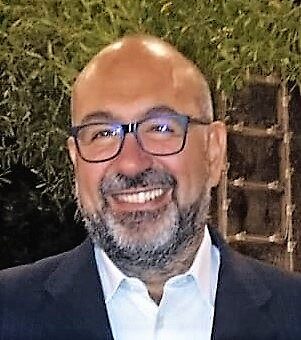
Agostino Marcello Mangini
Politecnico di Bari
Title: Artificial Intelligence-based Services for Cooperative, Connected and Automated mobility
Abstract: Artificial Intelligence (AI) technologies have the potential to significantly impact automation across a wide range of industries and domains. In urban areas, the number of Cooperative, Connected, and Automated Vehicles (CCAVs) is expected to steadily increase in the near future. As a result, mixed traffic scenarios—comprising both human-driven vehicles and CCAVs—are likely to become the norm in the coming years. Connected and automated vehicles can enhance overall traffic efficiency by preventing collisions, optimizing traffic flow, and enabling the development and deployment of innovative mobility services. This talk will illustrate how AI techniques—such as Deep Reinforcement Learning (DRL)—can support the full integration of CCAVs into real-world traffic systems, for both passenger and freight transportation. The ultimate goal is to deliver benefits to all citizens and generate positive societal impacts, including: i) safety (e.g., reducing road accidents caused by human error); ii) environmental sustainability (e.g., lowering emissions and congestion by smoothing traffic flow and minimizing unnecessary trips); iii) inclusiveness (e.g., ensuring accessible and equitable mobility for all users). The talk will also present recent case studies, implemented both in real-world settings and in simulation environments.
Bio: Agostino Marcello received the degree in electronics engineering and the Ph.D. degree in electrical engineering from the Polytechnic of Bari, Bari, Italy, in 2003 and 2008, respectively. He has been a Visiting Scholar with the University of Zaragoza, Zaragoza, Spain. He is currently Associate Professor with the Department of Electrical and Information Engineering, Polytechnic of Bari. He has authored or coauthored over 180 printed publications. His current research interests include modeling, simulation, control of complex systems, Petri nets, discrete event systems, deep reinforcement learning, supply chains and urban traffic networks, distribution and internal logistics, intelligent transportation systems. Prof. Mangini was on the program committees of the 2007–2026 IEEE International SMC Conference on Systems, Man, and Cybernetics. He was on the Editorial Board of the 2017-2024, 2026 IEEE Conference on Automation Science and Engineering. Moreover, he was Publication Chair of the 2017 IEEE SOLI and the 2019 IEEE SMC conferences, Workshop Co-Chair of the 2023 IEEE SMC and 2024 IEEE Telepresence conference, Workshop and Tutorial Chair of the 2023 IEEE CASE conference, Special session Chair of the 3rd IEEE International Conference on Automation in Manufacturing, Transportation and Logistics (iCaMaL2023). Finally, he is Associate Editor of the IEEE Transactions on Automation Science and Engineering and IEEE Systems, Man, and Cybernetics Magazine.
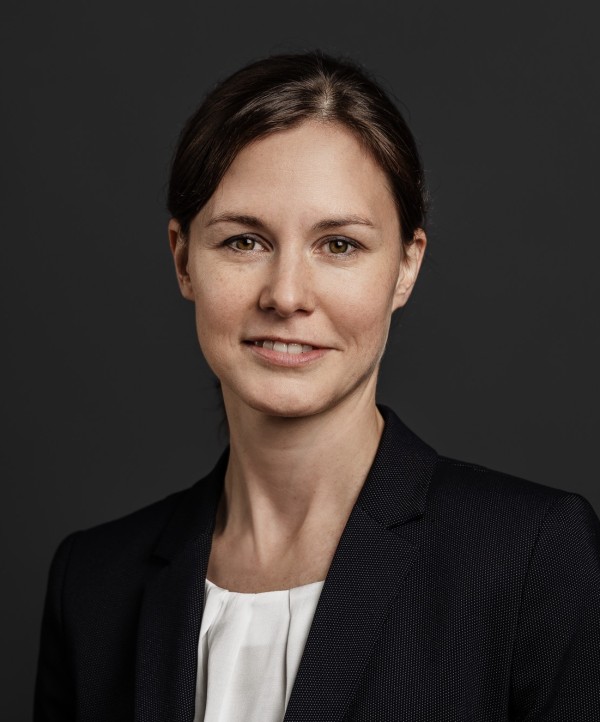
Melanie Zeilinger
ETH, Switzerland
Title: Safe Learning-Based Control for Robotics: On Constraints, Physics, and Exploration
Abstract: Modern machine learning paradigms—ranging from reinforcement learning to generative frameworks like diffusion models—have shown immense promise in advancing robotic capabilities. By leveraging vast datasets, these models enable robots to acquire complex behaviors and adapt to diverse environments. However, a significant gap remains between standard machine learning capabilities and the stringent demands of real-world deployment; existing techniques struggle to respect strict safety and physical constraints, and are commonly restricted to offline training. To address these challenges, recent research has turned to safety filters, robust and stochastic control, and optimization-based techniques. This talk discusses the open problems that remain in this domain. Specifically, we highlight our recent work toward constraint-aware and optimization-guided diffusion models, as well as online, active learning frameworks utilizing Gaussian Process dynamics models.
Bio: Melanie Zeilinger is an Associate Professor at the Department of Mechanical and Process Engineering at ETH Zurich, where she is leading the Intelligent Control Systems. She received the diploma in Engineering Cybernetics from the University of Stuttgart in Germany in 2006 and the Ph.D. degree in Electrical Engineering from ETH Zurich in 2011. From 2011 to 2012 she was a postdoctoral fellow at the École Polytechnique Fédérale de Lausanne (EPFL), Switzerland. From 2012 to 2015 she was a Postdoctoral Researcher and Marie Curie fellow in a joint program with the University of California at Berkeley, USA, and the Max Planck Institute for Intelligent Systems in Tuebingen, Germany. From 2018 to 2019 she was a professor at the University of Freiburg, Germany. Her awards include the ETH medal for her PhD thesis, an SNF Professorship, the Golden Owl for exceptional teaching at ETH Zurich 2022 and the European Control Award 2023. Her research interests include learning-based control with applications to robotics and biomedical systems.
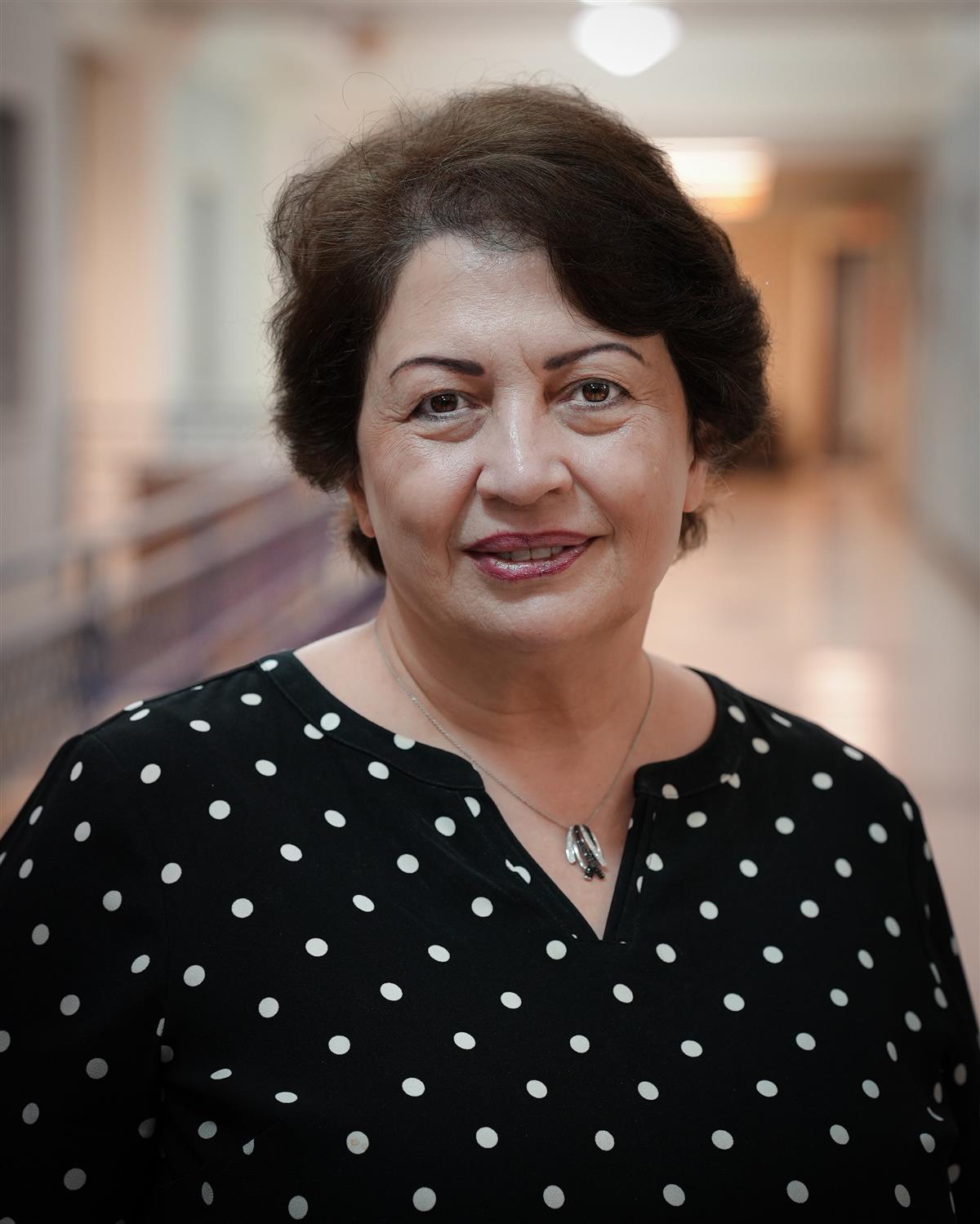
Naira Hovakimyan
UIUC, USA
Title: Ontological Robustness for Certification of Autonomous Systems
Abstract: Learning-based control paradigms have seen many success stories with autonomous systems in recent years. A typical architecture in these systems involves layers for perception, planning and control, wherein each of these layers uses different tools and metrics for assessing robustness and performance. For example, the planners -- that use vision-based sensors to update the navigation and motion planning -- operate largely relying on distributionally robust stochastic optimal control, whereas the low-level controller can be a deterministic controller with its conventional gain and phase (time-delay) margin. We present a new analysis framework for addressing this ontology challenge inherent to autonomous systems. We derive distributional robustness guarantees for deterministic L1 adaptive controllers that can be used by any stochastic planner without facing a language barrier. The combined planner-controller framework can serve as foundation for development of certificates for V&V of learning-enabled systems. An overview of different projects at our lab that build upon this framework will be demonstrated to show different applications.
Bio: Naira Hovakimyan received her MS degree in Applied Mathematics from Yerevan State University in Armenia. She got her Ph.D. in Physics and Mathematics from the Institute of Applied Mathematics of Russian Academy of Sciences in Moscow. She is currently W. Grafton and Lillian B. Wilkins Professor of Mechanical Science and Engineering and the Director of AVIATE Center of UIUC. She has co-authored two books, thirteen patents and more than 500 refereed publications. She is the 2011 recipient of AIAA Mechanics and Control of Flight Award, the 2015 recipient of SWE Achievement Award, the 2017 recipient of IEEE CSS Award for Technical Excellence in Aerospace Controls, and the 2019 recipient of AIAA Pendray Aerospace Literature Award. In 2014 she was awarded the Humboldt prize for her lifetime achievements. In 2015 and 2023 she was awarded the UIUC Engineering Council Award for Excellence in Advising. In 2024 she was recognized as the winner of the College Award for Excellence in Translational Research, and in 2025 she was recognized for Excellence in Graduate Student Mentoring. She is Fellow of AIAA, IEEE, ASME, IFAC, and senior member of National Academy of Inventors. She has been named a Distinguished Lecturer for IEEE CSS for 2026-2028. She is a co-founder and chief scientist of Intelinair. Her work in robotics for elderly care was featured in the New York Times, on Fox TV, CNBC, and her recent NASA ULI award on flying cars led her to a live interview on Cheddar Innovates and many other media platforms. Her research interests are in control and optimization, autonomous systems, machine learning, neural networks, game theory, and their applications in aerospace, robotics, mechanical, agricultural, electrical, petroleum, biomedical engineering, and elderly care.
Program Schedule
| Time | Session |
|---|---|
| 08:30–08:45 | Opening and workshop framing (Organisers) |
| 08:45–09:15 | Session I, Manuel Keppler |
| 09:15–09:45 | Session I, Chiara Gabellieri |
| 09:45–10:30 | Coffee break |
| 10:30–11:00 | Session II, Alessandro Astolfi |
| 11:00–11:30 | Session II, Laura Ferranti |
| 11:30–12:00 | Session II, Melanie Zeilinger |
| 12:00–13:30 | Lunch break |
| 13:30–14:00 | Session III, Kyoungchul Kong |
| 14:00–14:30 | Session III, Naira Hovakimyan |
| 14:30–15:00 | Session III, Agostino Marcello Mangini |
| 15:00–15:30 | Coffee break |
| 15:30–16:15 | Session IV, Closing panel moderated by Cosimo Della Santina |
| 16:15–16:25 | Closing remarks |
Organizers
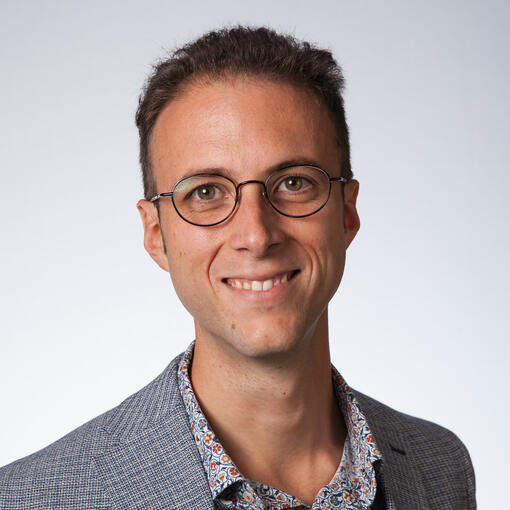
Cosimo Della Santina
TU Delft, NL - Primary Contact
Associate Professor in Robotics and Control. Research on nonlinear control, soft and underactuated robots, and physical interaction. Email: c.dellasantina@tudelft.nl

Kaoru Yamamoto
Kyushu University, JP
Associate Professor of Control, working on control methodologies that go beyond discrete-time approximations by explicitly accounting for intersample dynamics, alongside research on interconnected dynamical systems.
Manuel Keppler
German Aerospace Center - DLR, DE
Senior researcher in articulated soft and humanoid robot control, with strong links between theory and large-scale experimental platforms.
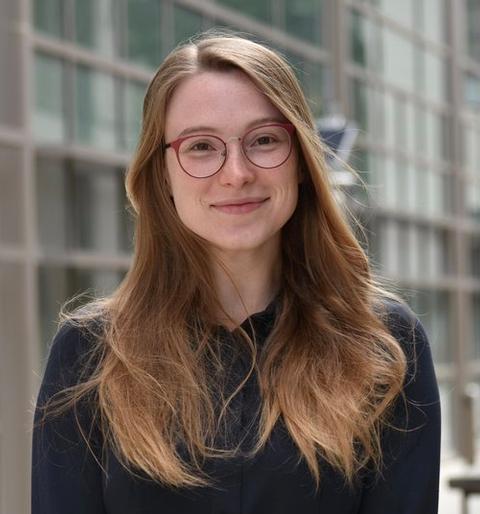
Sylvia Herbert
University of California San Diego, US
Assistant Professor working on scalable safety assurances and control policies based on available models and data about the system and environment.
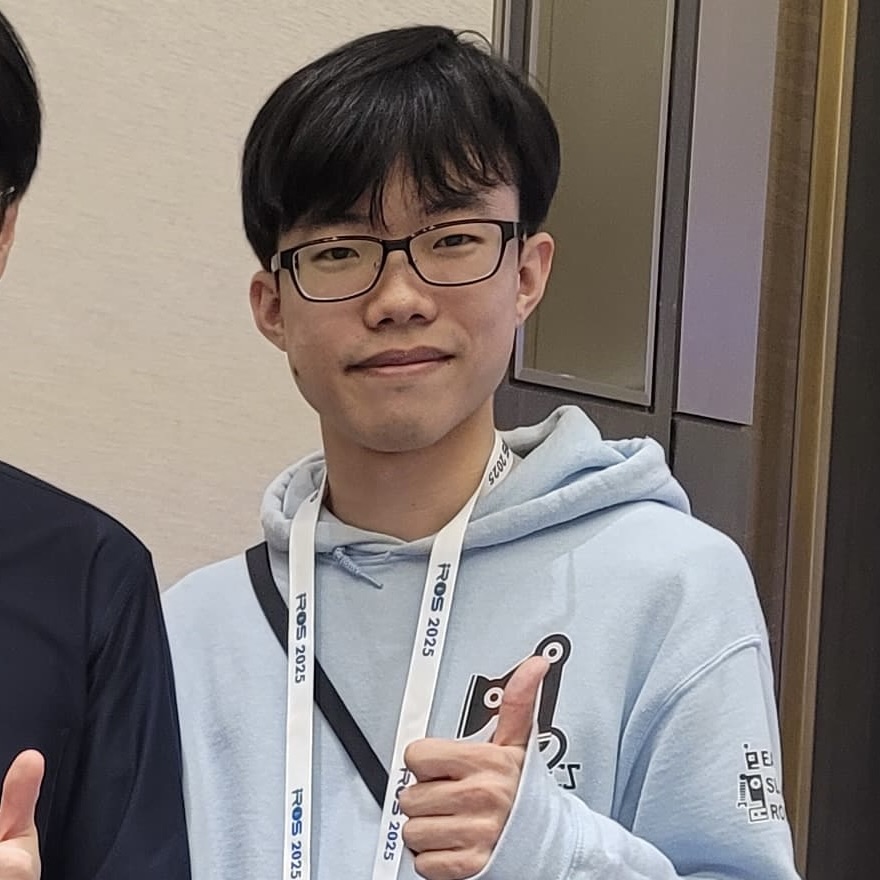
Fumiya Matsuzaki
Kyushu University, Japan
PhD Student.

Yuhe Gong
University of Nottingham, UK
PhD Student.

Daniele Caradonna
Scuola Superiore Sant'Anna, Italy
PhD Student.
Future Outcomes
The organizers aim for the outcomes of this workshop to feed into a joint community effort, such as a position or perspective paper outlining a coherent set of open challenges in robot control. This document would serve as a reference point for future research and discussion within the control and robotics communities.