
Workshop Overview
Robotics poses an increasingly demanding set of challenges to control theory, driven by the emergence of new robotic concepts (such as soft and biohybrid systems) and by the growing need for physical interaction, autonomy, and operation in unstructured environments. At the same time, new opportunities are opening up, including the wider availability of advanced robotic platforms and the successful integration of learning-based components. In this evolving landscape, the theory and practice of robot control play a central role.
Despite this growing relevance, control-theoretic contributions addressing these challenges are often fragmented across paradigms, communities, and venues. This workshop provides a dedicated forum to reconnect these efforts and to collectively reflect on which challenges remain open, how their formulation is evolving, and how they relate to both classical control theory and emerging technologies.
The workshop will combine short perspective talks with extended, structured discussion sessions. Each invited speaker will be asked to articulate one to three open challenges in robot control and to reflect on how these challenges connect to existing theory and current practice. Discussion sessions will focus on contrasting perspectives, clarifying assumptions, and highlighting common structural themes and limitations across different approaches.
This workshop represents a second, complementary step in a broader community effort to strengthen the intellectual foundations of robot control across societies. While Part I (to be held at ECC 2026) focuses on surfacing open challenges and perspectives from invited experts, this workshop provides a forum within the IFAC community to further examine and contextualize these challenges through the lens of automatic control, without presupposing convergence toward a single agenda or set of prescriptions.
Target Audience
The workshop targets researchers in control and robotics whose work engages with the modeling, analysis, and control of complex robotic systems, particularly in settings involving physical interaction, uncertainty, hybrid behavior, and learning-enabled components. It is especially relevant for those interested in the foundations of robotics control, the limits of existing frameworks, and the formulation of new problems arising from emerging robotic platforms and technologies.
Relevant research areas include, but are not limited to, on the control theory and engineering side:
- nonlinear, geometric, and energy-based control
- hybrid, discrete-event, and supervisory systems
- optimization-based control and model predictive control
- learning-based, data-driven, and adaptive control
- robustness, uncertainty, and safety-critical control
- integration of control with perception, planning, and autonomy
And, from the robotics perspective:
- aerial robotics and other floating base systems
- modeling and control of compliant, soft, and underactuated robots
- physical interaction, impedance control, and human–robot interaction
- whole-body, humanoid, and multi-contact control
The intended audience includes faculty members, postdoctoral researchers, and PhD students, as well as advanced practitioners from research-oriented industry who are concerned with principled system design rather than application-specific tuning. The workshop aims to attract participants from both the control and robotics communities and to foster dialogue across methodological and disciplinary boundaries.
Invited Speakers
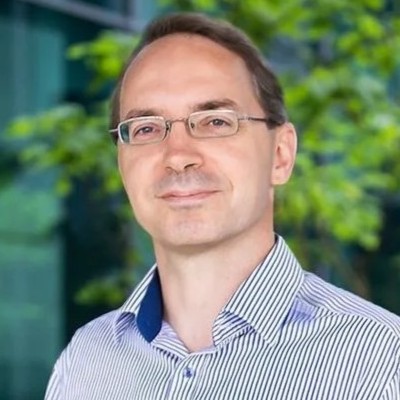
Christian Ott
TU Wien, Austria
Talk title: Robot control for tasks with fast contact transitions
Christian Ott is Full Professor at TU Wien in Austria and is also affiliated with the German Aerospace Center (DLR). He was Project Assistant Professor at the University of Tokyo and head of department at DLR. He has been Associate Editor for the IEEE TRO and Co-Editor-in-Chief for IFAC Mechatronics. He is currently serving as Senior Editor for IJRR and as Editor-In-Chief of ICRA. He is IEEE Fellow and serves as IFAC Council Member for the triennials 2024–2026 and 2027–2029. His research interests are in nonlinear control in robotics, whole-body control, and humanoid robotics.
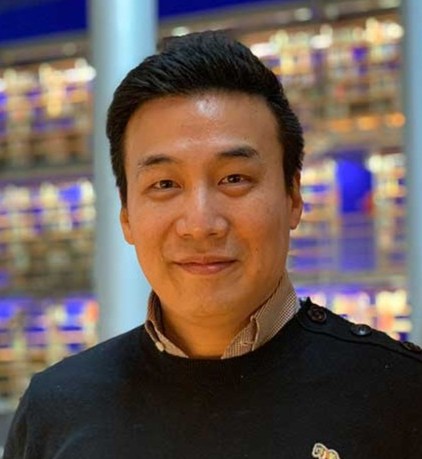
Jinoh Lee
German Aerospace Center (DLR), Germany
Talk title: A Model-free Model Predictive Control
Jinoh Lee is a Research Scientist at the Institute of Robotics and Mechatronics, German Aerospace Center (DLR), where he leads the Humanoid and Legged Robots Team. He is also an Adjunct Professor at KAIST, Korea, and the University of Guelph, Canada. His research focuses on robot control of redundant systems, dual-arm manipulation, and whole-body locomotion of humanoids, and robust control of nonlinear systems. He received his Ph.D. in Mechanical Engineering from KAIST, Korea, in 2012; before joining DLR in 2020, he was a researcher at IIT, Italy, and also partly as a research consultant for Disney Research, US.
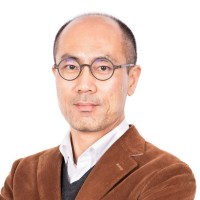
Sehoon Oh
DGIST, Korea
Talk title: Robot Control in the Era of Physical AI
Sehoon Oh is a Professor in the Department of Robotics and Mechatronics Engineering at the Daegu Gyeongbuk Institute of Science and Technology (DGIST), where he directs the Motion Control Laboratory. He received his B.S., M.S., and Ph.D. degrees in Electrical Engineering from the University of Tokyo. He then held postdoctoral and research positions at the University of Tokyo, and was a visiting scholar at the University of Texas at Austin and a guest scientist at the German Aerospace Center (DLR). His industry experience includes work at Samsung Heavy Industries and at Apptronik (Austin, TX, USA).
Dr. Oh's research develops advanced control and mechatronic systems for robots and mobility platforms. He works on high-precision servo control, model-based and optimal control design, and disturbance rejection, and on how data-driven methods can be incorporated into complex dynamical systems without giving up the interpretability and stability guarantees that model-based design provides. His aim is to build motion control architectures that are both explainable and high-performing, validated on full-scale robotic hardware rather than in simulation alone.
Dr. Oh is a Senior Member of the IEEE and serves on the Management Committee of the IEEE/ASME Transactions on Mechatronics. He is General Chair of the 19th IEEE International Workshop on Advanced Motion Control (AMC 2026).

Cosimo Della Santina
TU Delft, The Netherlands
Talk title: Open Challenges in the Control of Soft Robots
Cosimo Della Santina is Associate Professor at TU Delft, where he leads the Physical Intelligence Lab. His research covers soft robotics, nonlinear dynamics, robot control, and machine learning for control. He holds an ERC Starting Grant and is co-chair of the IEEE RAS Technical Committee on Robot Control.

Woolim Hong
North Carolina State University, USA
Talk title: Toward Human–Robot Symbiosis in Wearable Robotics: Lessons from Robotic Prostheses
Woolim Hong is a postdoctoral fellow in the Neuromuscular Rehabilitation Engineering Laboratory, directed by Dr. He (Helen) Huang, at North Carolina State University and the University of North Carolina at Chapel Hill. His research focuses on intelligent control and personalization of wearable robotic systems, particularly powered lower-limb prostheses, with an emphasis on reinforcement learning, human–robot interaction, and safety. He received his Ph.D. in Mechanical Engineering from Texas A&M University and is a recipient of the NIDILRR Mary E. Switzer Research Fellowship.
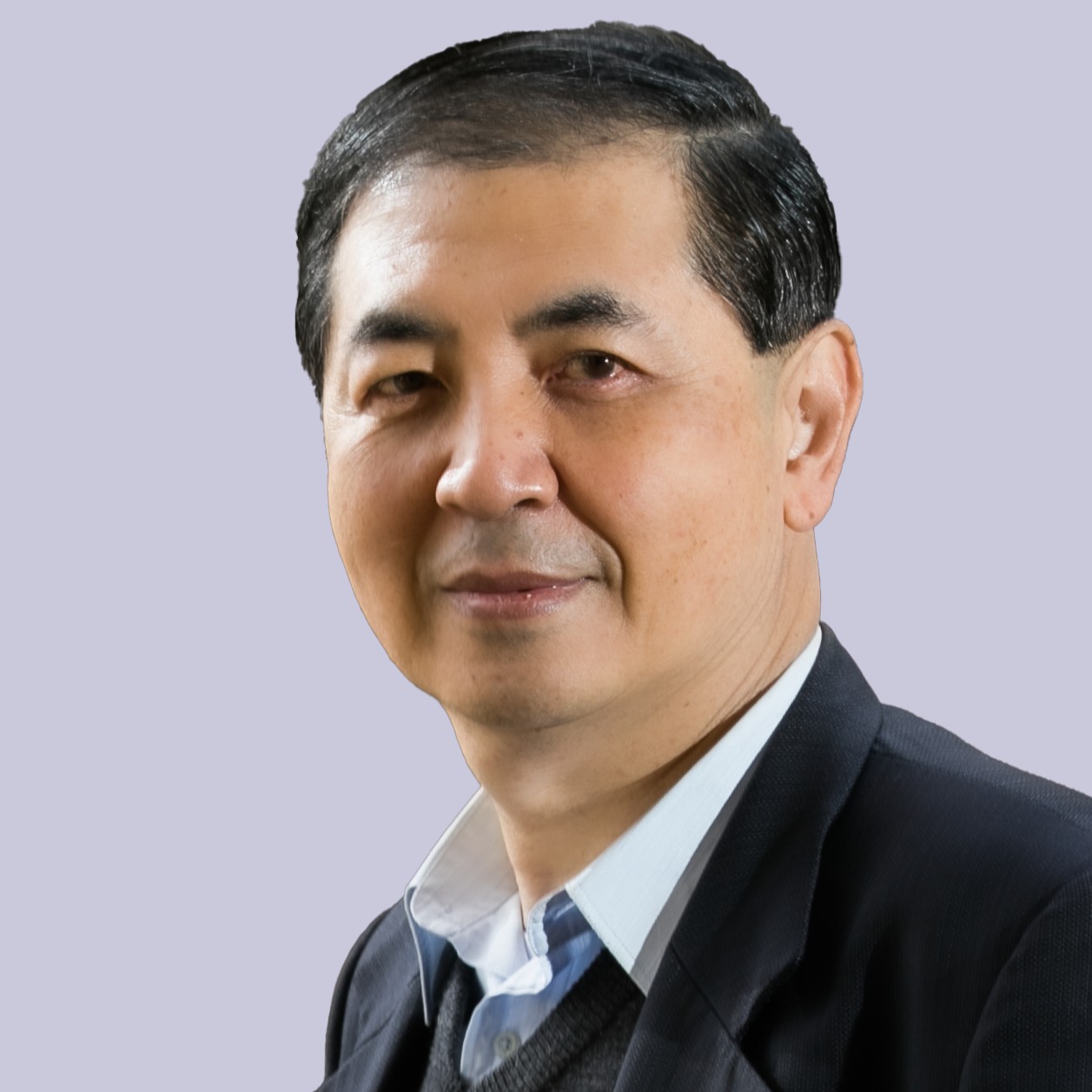
Li-Chen Fu
National Taiwan University, Taiwan
Talk title: GenAI-Empowered Social Robots for Human Care
Li-Chen Fu received his Ph.D. degree from UC Berkeley in 1987, and joined National Taiwan University (NTU) since then. He currently holds the title of Lifetime National Chair Professor. He previously served as Secretary General of NTU (2005–2008) and Director of the NTU Center for AI and Advanced Robotics (2017–2024). He is an IEEE Fellow, IFAC Fellow, and ACA Fellow, and his research interests include robotics, AI, computer vision, and control.
H. Jin Kim & Inkyu Jang
Seoul National University, Korea
Talk title: Safety Analysis and Filtering for Real-World Robot Control
H. Jin Kim is a Professor in the Department of Aerospace Engineering at Seoul National University (SNU). She received her B.S. degree in Mechanical Engineering from KAIST and her M.S. and Ph.D. degrees in Mechanical Engineering from the University of California, Berkeley. Prior to joining Seoul National University in 2004, she was a postdoctoral researcher and lecturer in Electrical Engineering and Computer Sciences at UC Berkeley. She currently leads the Laboratory for Autonomous Robotics Research (LARR) at SNU and is a visiting researcher at Samsung Electronics. Her research interests include robotics, autonomous systems, intelligent control, motion planning, and navigation, with applications to aerial and ground robotic systems.
Inkyu Jang is a Ph.D. candidate (degree pending conferral) in Aerospace Engineering at Seoul National University (SNU) and an incoming postdoctoral researcher at the Department of Electrical Engineering and Computer Sciences at UC Berkeley starting September 2026. During his doctoral studies, he was a visiting researcher at UC Berkeley in 2024 and 2025. He received his B.S. degree in Mechanical Engineering from SNU in 2020. His research interests lie at the intersection of control theory and robotics, with a particular focus on learning-based safety-critical control and stochastic safety analysis.
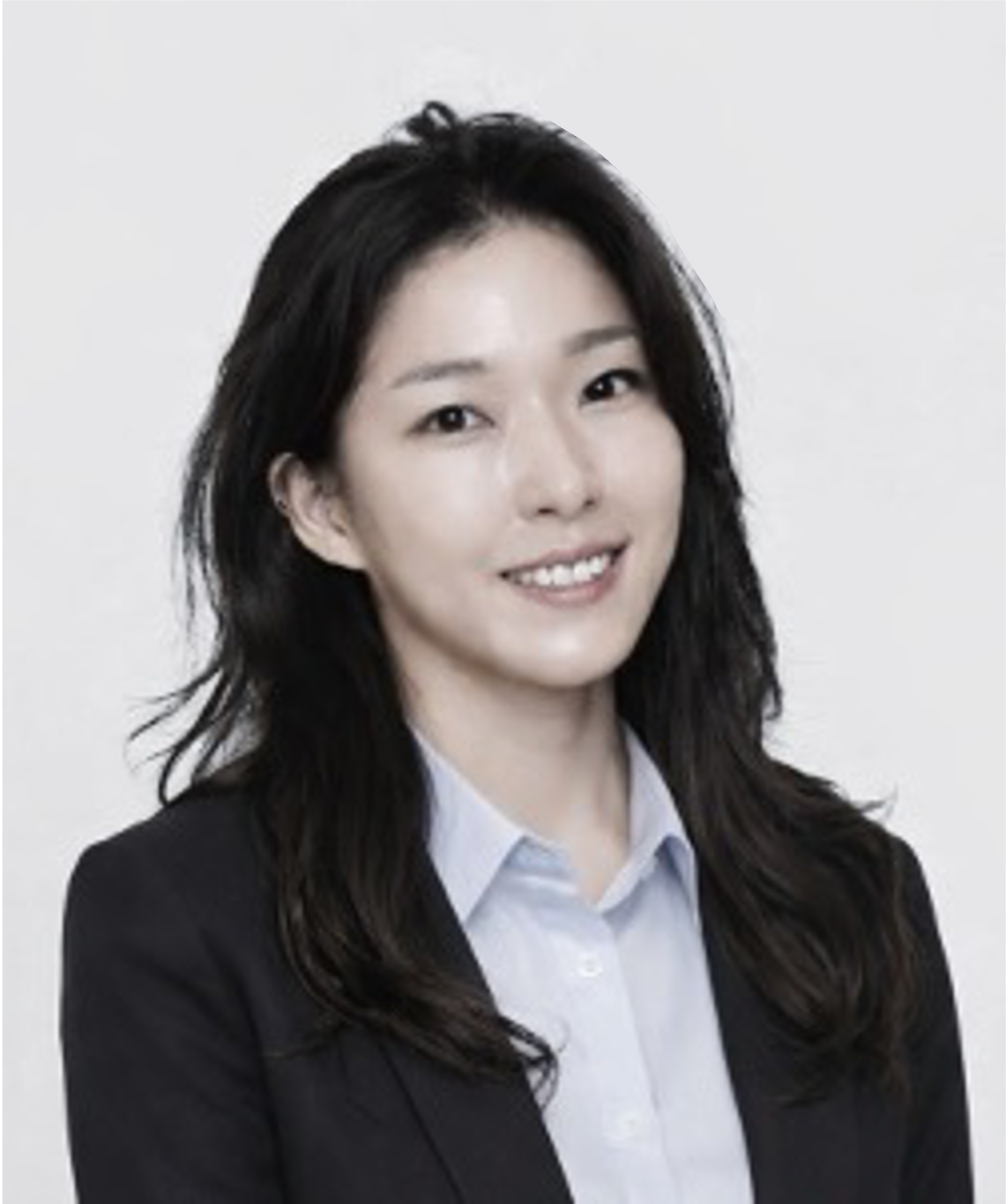
Hyunjin Choi | 최현진
Sangmyung University, Cheonan, Korea
Talk title: What Should a Wearable Robot Know About Its User? Open Challenges from Wearable Robotics
Hyunjin Choi is an Assistant Professor in the Department of Human Intelligence and Robot Engineering at Sangmyung University, Korea. She received her Ph.D. in Mechanical Engineering from Sogang University in 2019, where her research focused on assistance and rehabilitation for people with paretic gait using torque-controlled wearable robots. Prior to joining Sangmyung University, she was a founding member and lead engineer at Angel Robotics. Her research interests include wearable robots, human–robot interaction, gait analysis, and sensing and control technologies for assistive and rehabilitation robotics. She currently serves as Vice Chair of the IFAC Technical Committee on Robotics.
Program Schedule
Organizers

Cosimo Della Santina
TU Delft, The Netherlands
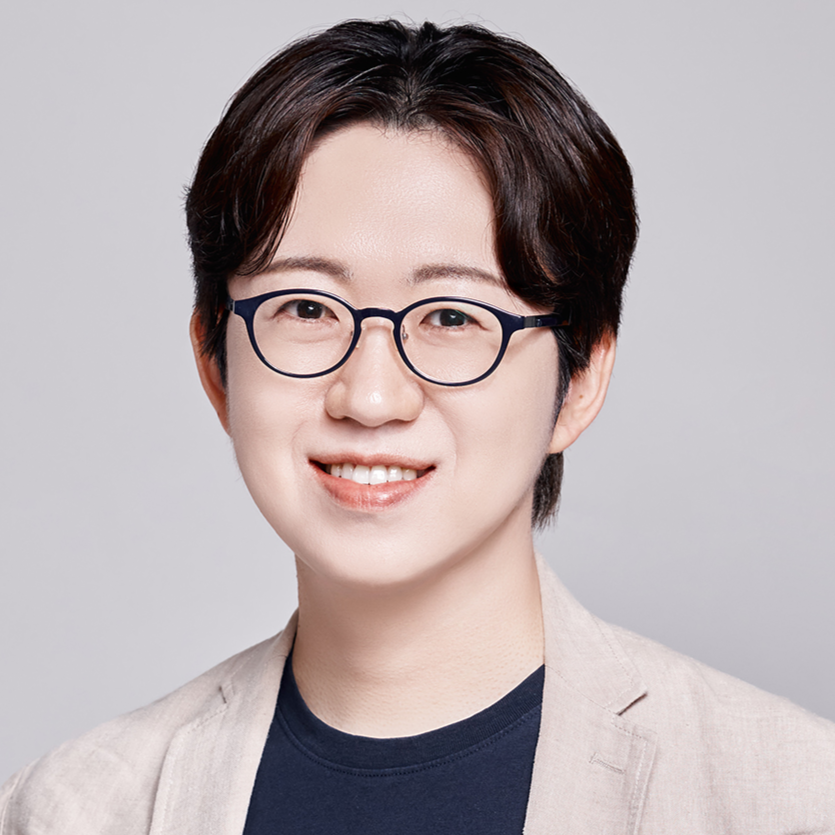
Kyoungchul Kong
Korea Advanced Institute of Science and Technology (KAIST), Korea

Kaoru Yamamoto
Kyushu University, Japan
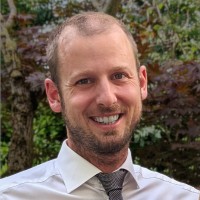
Manuel Keppler
German Aerospace Center (DLR), Germany
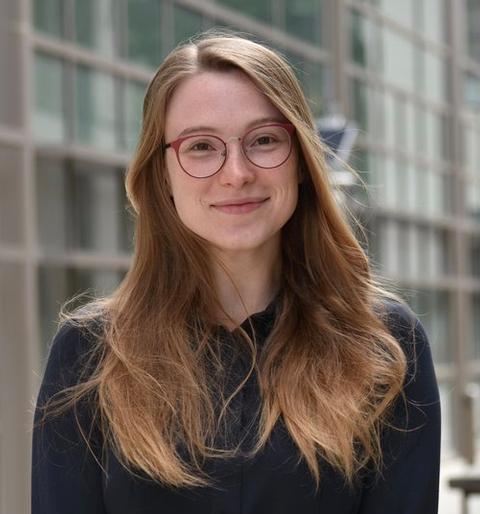
Sylvia Herbert
University of California San Diego, USA
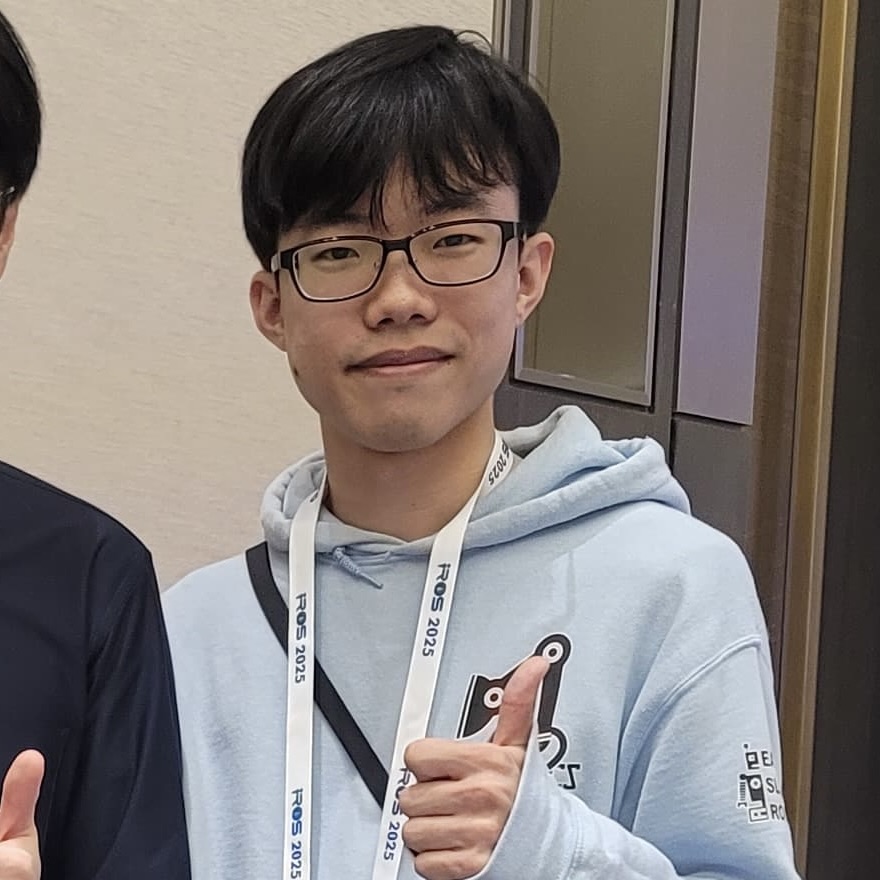
Fumiya Matsuzaki
Kyushu University, Japan
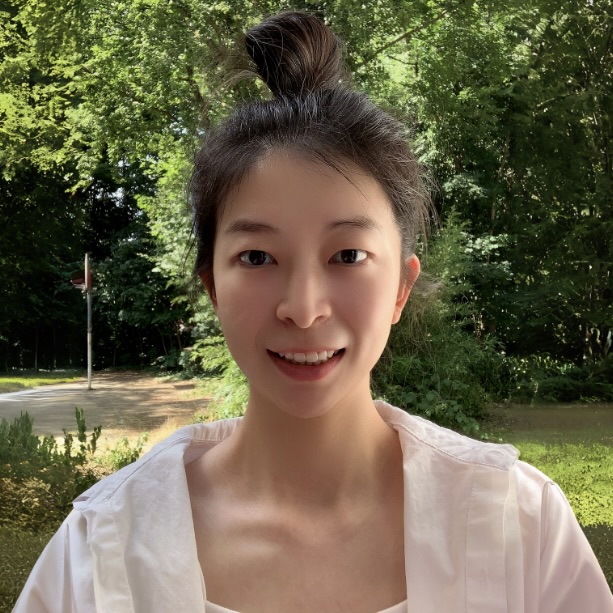
Yuhe Gong
University of Nottingham, UK

Daniele Caradonna
Scuola Superiore Sant'Anna, Italy
Expected Outcomes
With this workshop, we aim to strengthen the Robot Control community within IFAC and connect it to researchers active in robotics and related areas. Expected outcomes include:
- a clearer articulation of open challenges in robot control and of how they are perceived across different communities,
- improved mutual understanding of underlying assumptions, limitations, and points of tension between control-theoretic and robotics-oriented approaches,
- material that may inform future discussions, collaborations, or community efforts, without presupposing convergence toward specific solutions or agendas.